
Bandera, Texas


The Cowboy Capital of the World
Bandera earned its title the honest way. Between 1874 and 1894, an estimated seven to ten million longhorns and a million horses were driven through this area by 30,000 cowboys using the Western Trail — and Bandera was a major staging point where those cowboys could rest, resupply, and spend their pay. The Texas Legislature formally recognized Bandera as the "Cowboy Capital of the World," and that designation isn't just a slogan on a sign. It's an economic identity that still drives the town today.
The rodeo tradition is alive and well, with regular events including the Bandera ProRodeo Association's Memorial Day PRCA rodeo, Labor Day's Bandera Round-Up with its longhorn cattle drive through town, and weekly gunfight reenactments on Main Street. For property buyers, the dude ranch and equestrian economy matters because it creates consistent tourism revenue that supports local businesses and stabilizes land values — without the overdevelopment pressure you see in more commercially driven Hill Country towns.

Downtown Bandera: Where Horses Still Have the Right of Way
There's a reason people ride their horses to the bar in Bandera — because they can. Hitching posts line Main Street, and nobody thinks twice about a quarter horse tied up outside while its rider grabs a Shiner inside. This is a town where the Western heritage isn't preserved behind museum glass: It's the way people actually live.
The 11th Street Cowboy Bar is the epicenter of Bandera's nightlife, hosting live country music and drawing crowds that pack the place on weekends. But Main Street isn't just a party — it's a working downtown with shops, restaurants, antique stores, and one of the last remaining old-fashioned soda fountains in Texas at the Bandera General Store. Arkey Blue's Silver Dollar, a legendary honky-tonk, has been pulling in music lovers for decades. The Frontier Times Museum houses over 40,000 artifacts from Bandera's frontier days. And the Bandera Natural History Museum adds a deeper layer for anyone interested in the geology and prehistoric life of the Edwards Plateau.

The Medina River: Bandera's Natural Centerpiece
The Medina River runs right through the heart of Bandera, and it's one of the clearest, most beautiful waterways in the Hill Country. Spring-fed and lined with ancient bald cypress trees — some of which are estimated to be 800 to 1,200 years old — the Medina offers kayaking, tubing, swimming, and some of the best fly-fishing for largemouth and smallmouth bass in the region.
Above town, the water quality is excellent, and the float options range from a leisurely two-hour tube trip to a full-day seven-hour paddle. Several local outfitters, including Medina River Company on Main Street and Bandera Beach Club, offer tube and kayak rentals with shuttle service. For property buyers, the Medina River creates a clear value distinction: riverfront and river-access properties in Bandera County carry premiums, but they're still significantly more affordable than comparable waterfront acreage in more tourism-saturated Hill Country markets.

Small Town, Big Character
Population 877. That's what the sign says, and it's not far off — Bandera's 2020 census recorded 829 residents within city limits, with current estimates putting it just over 900. The broader Bandera County has around 23,000 residents, but the town itself is genuinely tiny. And people here like it that way.
What surprises newcomers is how much happens in a town this small. Bandera's Cowboy Mardi Gras — a three-day Main Street celebration with parades, zydeco concerts, and horse-drawn bead throws — draws over 15,000 people from around the world. The National Day of the American Cowboy brings ranch rodeos and chuck-wagon cook-offs every July. Beyond the events, though, the daily character of the place is what makes people want to stay. This is a community where you know the person behind the counter, where the volunteer fire department is your neighbor, and where the pace of life is set by the river and the seasons rather than a commute. Bandera County is part of the San Antonio-New Braunfels metro statistical area, which means you're only about 47 miles northwest of downtown San Antonio.

Bandera: Hill Country Without Sticker Shock
If Fredericksburg is the Hill Country's wine country and Kerrville is its retirement capital, Bandera is its working ranch heart — and the real estate reflects that identity. The median home sale price in Bandera has hovered around $230,000 to $400,000 depending on the data source and time frame. Compare that to Gillespie County, where vineyard corridor properties command steep premiums, and the value proposition becomes clear. What you get for that money is different from what the bigger Hill Country towns offer. Bandera properties tend to come with real acreage — five, ten, twenty acres or more — with the kind of rolling terrain, mature oaks, and Medina River access that define Hill Country living. Agricultural exemptions through ranching, goat or sheep operations, and wildlife management are actively used across the county, keeping property tax burdens manageable for landowners who qualify.
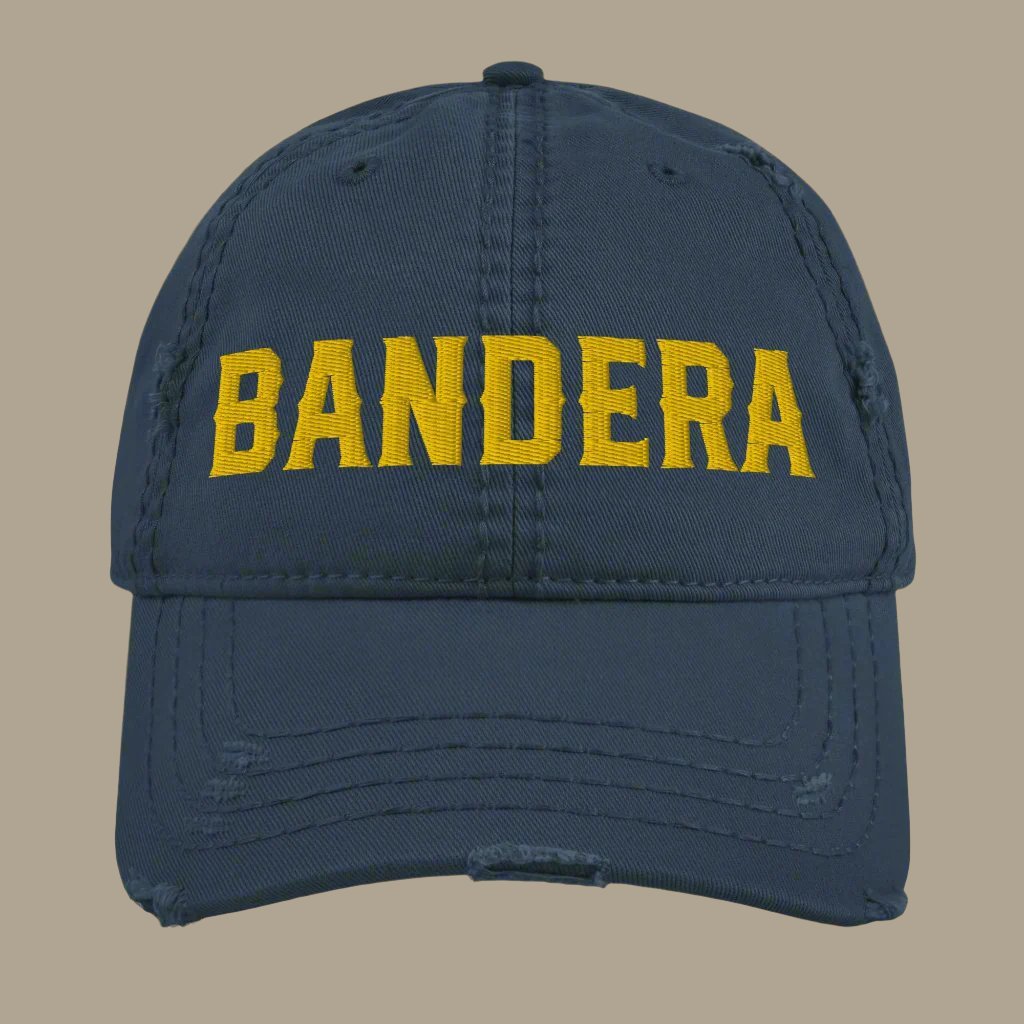
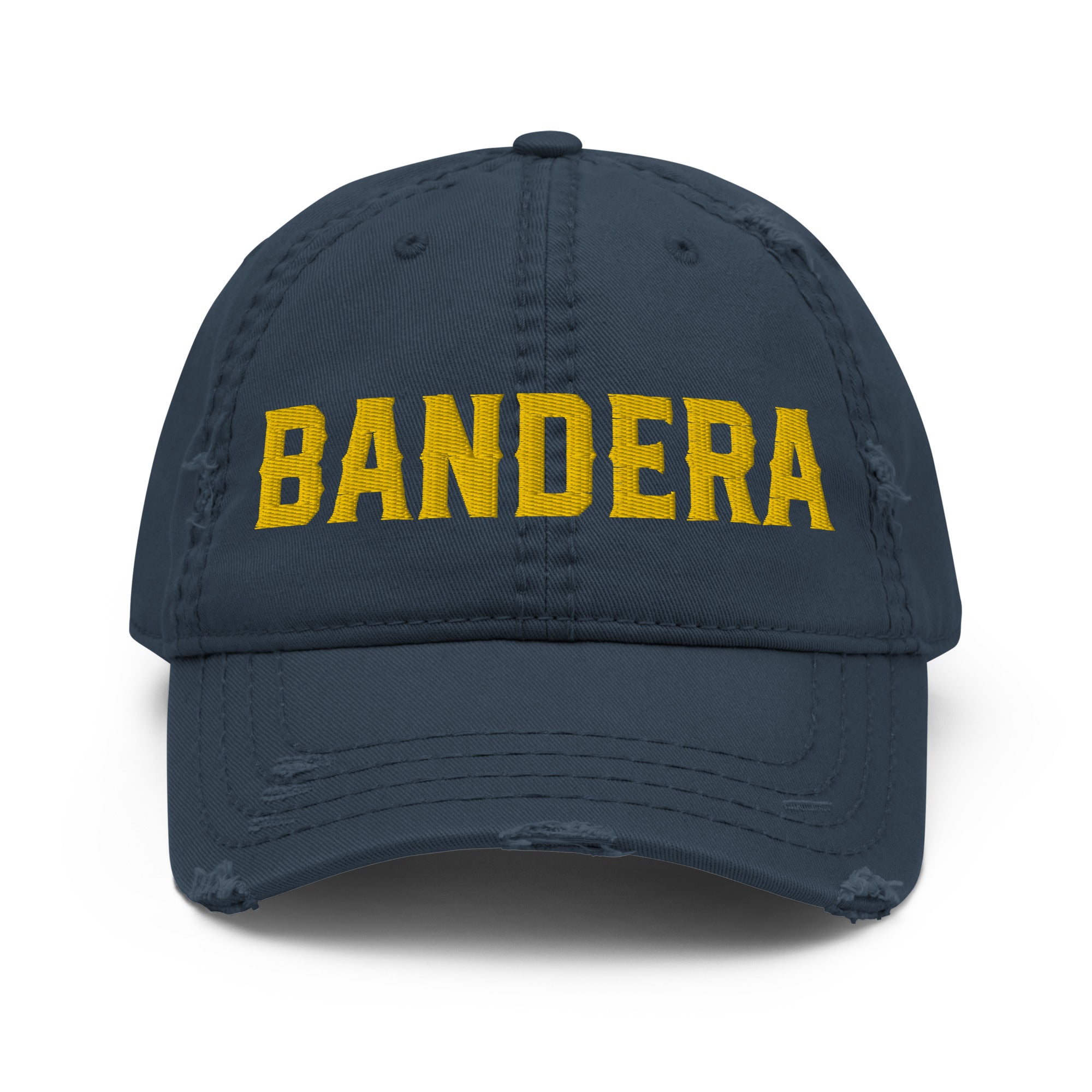
Bandera, Texas, Gifts




What It's Actually Like to Live in Bandera
Tourism sites will tell you about the dude ranches, the honky-tonks, and the Medina River. Here's what they leave out.
It's quiet — genuinely quiet. Bandera's city limit population is around 900 people. The broader county has roughly 23,000 residents, but once you're outside town, you're on your own in the best and most demanding sense of the phrase. There's no Target. There's no urgent care open until 9 PM. If you need a major grocery run or a specialist appointment, you're driving to Kerrville or San Antonio. That's about 22 miles north or 47 miles southeast, respectively. For people leaving the city, this adjustment is either freeing or frustrating, and you won't know which until you've lived it through a February when the weather's gray and the river's low.
Water is the due diligence issue most buyers underestimate. Bandera County sits on the Edwards-Trinity Plateau Aquifer, and most rural properties rely on private wells. The Bandera County River Authority and Groundwater District oversees permitting and monitors aquifer conditions — they're one of the more proactive groundwater districts in the Hill Country — but well depth, yield, and water quality vary significantly from property to property. Some wells produce strong, clean water at reasonable depths. Others require deeper drilling or supplemental storage. This is Edwards Plateau limestone geology, which means karst terrain, fractured rock, and water behavior that doesn't follow the patterns flat-land buyers expect. Any serious buyer should budget for a comprehensive well test and talk to the groundwater district before closing.
The school district is functional, not flashy. Bandera ISD serves about 2,300 students across four schools, covering Bandera plus the communities of Lakehills, Pipe Creek, and Tarpley. This isn't a district with magnet programs, robust AP course selection, or the resources of a larger suburban system. For families who value small class sizes, a tight-knit community, and outdoor access as part of childhood, it works well. For families whose priority is academic competition and advanced academic programming, it's worth looking closely at what's available — and whether supplemental options like dual enrollment, homeschool co-ops, or online coursework fill the gaps.
The cowboy identity is real, not a costume. Bandera isn't putting on a show for tourists. People ride horses on public roads. Ranch work is actual work here, not an aesthetic. The rodeos feature local competitors, not hired performers. The 11th Street Cowboy Bar is where locals go on a Tuesday, not just where visitors go on a Saturday. That authenticity is precisely what attracts people — but it also means this is a community with deep roots and its own way of doing things. If you show up expecting to reshape the town into what you left behind, you'll hit friction. If you show up willing to learn and participate, people will welcome you faster than you'd expect in a place this small.
Three faces of Bandera. There's the tourist Bandera of dude ranches, river outfitters, and weekend visitors who come for the horseback riding and leave Sunday afternoon. There's the local Bandera of fifth-generation ranch families, church potlucks, and volunteer firefighters who've known each other since grade school. And there's the growing third Bandera — remote workers, early retirees, and San Antonio commuters who discovered the county during the pandemic and are putting down roots on five-to-twenty-acre parcels outside town. All three are real. The people who thrive here are the ones who respect the second group, enjoy the energy of the first, and find their place in the third without trying to make Bandera something it isn't.
What Property Actually Costs
I'm not going to quote you specific prices that'll be outdated by the time you read this. But I can give you the landscape.
Bandera property operates in a fundamentally different market from Fredericksburg or Boerne. There's no wine corridor driving vineyard-premium pricing. There's no Main Street boutique district inflating walkability values to the same degree. What you get instead is ranch-oriented acreage — often five, ten, or twenty-plus acres — at price points that still make Hill Country living accessible to buyers who've been priced out of the trendier markets. County-wide, average home values sit around the mid-$300,000s. Listings with real acreage — the kind of properties that define Bandera County — naturally run higher depending on improvements, water access, and road frontage.
The property here falls into a few distinct categories. In-town properties within walking distance of Main Street and the Medina River are the scarcest and most desirable for buyers who want the small-town walkable lifestyle. Riverfront acreage along the Medina carries premiums over comparable non-river land, and that gap has held steady even as the broader market has cooled. Larger ranch tracts in the western and northern parts of the county offer more isolation and lower per-acre pricing but require more infrastructure investment — wells, septic, fencing, road maintenance. And then there are the five-to-fifteen-acre "ranchette" parcels along the highway corridors that appeal to the growing remote-worker and early-retiree demographic.
The Outdoor Asset Most People Underestimate
The Medina River gets the attention — and it deserves it. But Bandera's outdoor story goes deeper than a float trip.
Hill Country State Natural Area is a 5,370-acre primitive park just southwest of Bandera offering over 40 miles of trails for hiking, mountain biking, and horseback riding. It's one of the few Texas state parks where equestrian use is a primary activity, which makes sense given the town's identity. Lost Maples State Natural Area, famous for its fall foliage display of bigtooth maples — one of the most spectacular in the state — is a short drive west near Vanderpool. And the broader Bandera County landscape, with elevations ranging from 1,200 to 2,300 feet, provides some of the most rugged and scenic terrain on the Edwards Plateau.
Hunting is a significant part of the county's economy and culture. Bandera County has a large white-tailed deer and wild turkey population, and hunting leases and wildlife management practices are common across the larger ranch properties. For property buyers, this matters because wildlife management qualifications provide a legitimate pathway to agricultural tax exemptions — a meaningful factor in keeping annual property tax burdens manageable on larger parcels.
The Twisted Sisters — a set of three winding ranch roads (FM 335, 336, and 337) through the canyons west of Bandera — are considered some of the best motorcycle and scenic driving routes in Texas. That niche tourism traffic brings a steady stream of visitors through the county, supporting local businesses without the volume or intensity of a Fredericksburg-style tourist economy.
Who Bandera Is For (And Who It's Not)
This town works well for: Equestrians and ranchers who want a property-owning community that takes horse culture seriously. Retirees looking for a low-cost, low-pressure Hill Country lifestyle within an hour of San Antonio's medical and airport infrastructure. Remote workers and small-business owners who value space, quiet, and natural beauty over urban convenience. Families who want their kids to grow up with outdoor access, genuine community, and a slower pace. Weekend property owners from San Antonio who want a Hill Country retreat that's close enough for a Friday-evening drive.
This town might not work for: People who need daily access to retail, dining, or entertainment options — Bandera's commercial footprint is small. Buyers expecting Fredericksburg-level appreciation — the pricing here is more stable but less speculative. Anyone uncomfortable with genuine rural living — cell service is spotty in parts of the county, internet options vary by location, and power outages during storms are a real consideration. People who want a community that's constantly evolving and growing — Bandera changes slowly, and most residents prefer it that way.
The Bottom Line
Bandera is the Hill Country town that hasn't been polished for Instagram. The cowboy heritage is real, the river is clean, the community is tight, and the property is still priced at a level where a working family or a careful retiree can buy genuine acreage without overextending. It doesn't have Fredericksburg's wine economy or Boerne's suburban amenities, and it's not trying to. What it has is an authenticity and a pace of life that the bigger Hill Country towns traded away years ago.
But it's also a market with details that matter. Well water conditions, road access, flood zones along the Medina, agricultural exemption requirements, cell and internet coverage, and the practical realities of living in a community with fewer than a thousand people in city limits — these are all things that require someone who knows the terrain.
That's where I come in.
Exploring Bandera Property?
I specialize in Hill Country real estate — ranches, acreage, rural homes, and properties with lifestyle potential. I know Bandera and Bandera County (I live there!); I understand the ranch property market, and I can help you navigate the details that make the difference between a good purchase and a great one.
Whether you're ready to start looking or just beginning to think about it, I'd love to talk.
Lauren Byington, 830-992-9914


